Choose a field logger for infrequent maintenance visits
Compare the energy used to measure, save and transmit data before choosing a battery-powered logger configuration.
Which part of the measurement cycle uses the battery?
| Choice | What to compare | What to check |
|---|---|---|
| Sensor power | Warm-up, measurement and any continuous excitation | A sleeping logger does not prove that its attached sensor sleeps |
| Logging | Observation interval and retained records | Check memory, timestamps and behaviour after restart for the selected device |
| Transmission | Connection setup, coverage, retries and upload interval | Check average and peak load in the intended network |
| Maintenance | Longest visit interval and usable battery reserve | Include temperature, battery limits and replacement access |
Useful for this connection
Calculate the whole measurement cycle
Review sensor excitation, wake-up time, modem connection and reporting.
Size field power
Compare measured daily energy with usable reserve and charging.
What to send
How often someone can reach the site, and what must still be known if they cannot.
Related equipment
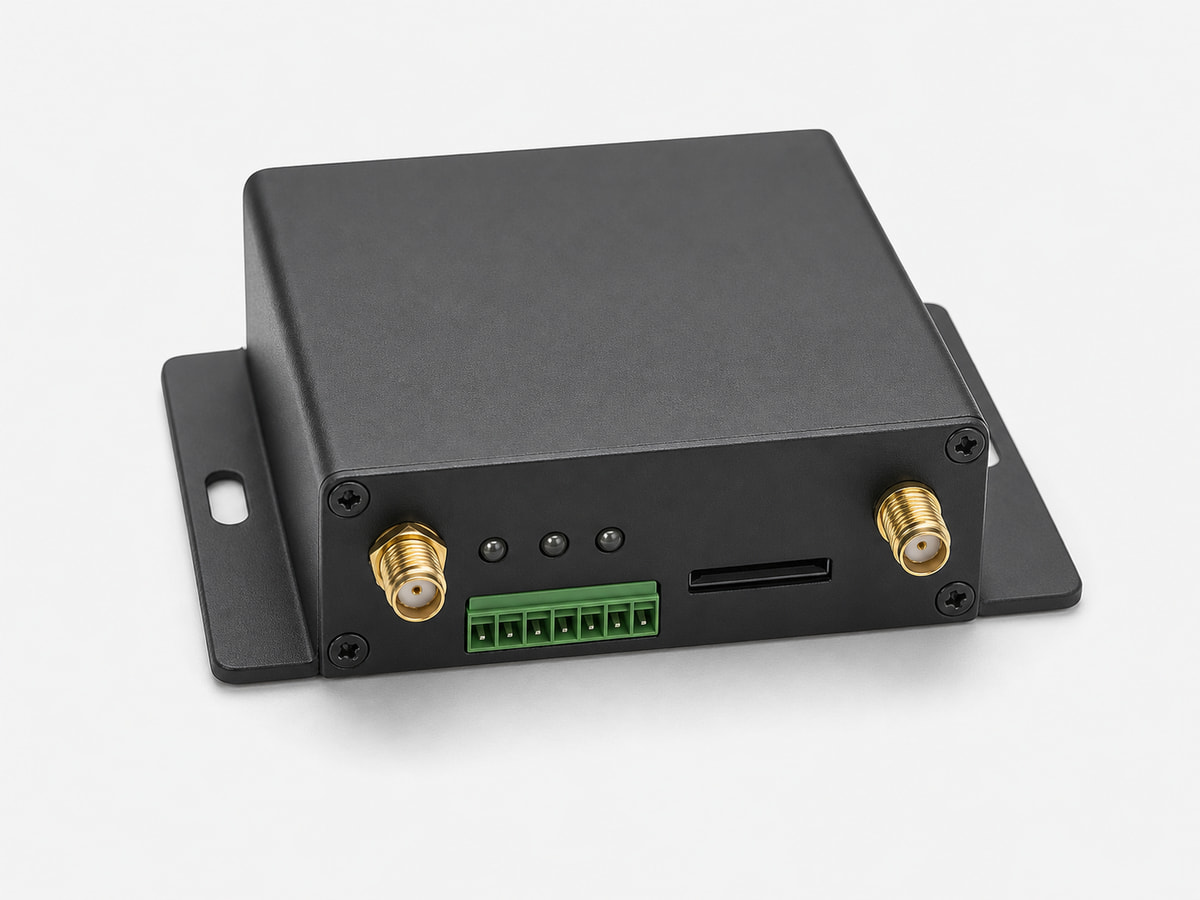
Representative product-family images. Confirm interfaces and accessories for the ordered model.
Send the visit interval.
Common questions
Does a low-power logger make every sensor suitable for battery operation?
No. Some instruments need continuous power, warm-up or cleaning. Measure the full configuration and confirm whether its documented operating cycle fits the battery and service plan.
What if we later get mains at the cabinet?
If cabinet power becomes available, compare a continuously powered RTU with the existing battery configuration. Confirm the supply voltage, inputs and data connection before changing equipment.