Solar power for remote farm monitoring
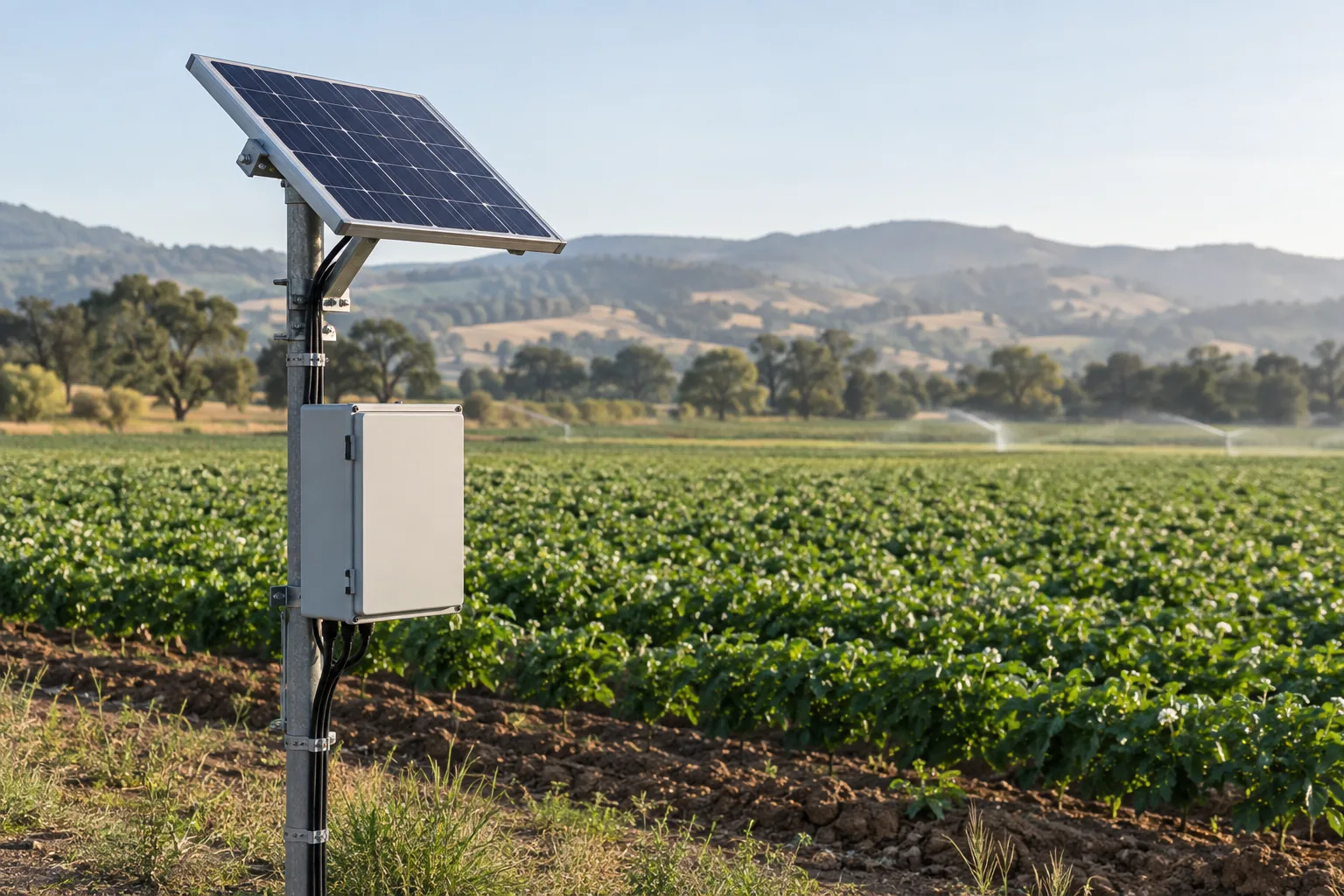
Match the station load and required no-charge period to seasonal sunlight, shading and service access.
Start with the energy used by the complete station
| Choice | What to compare | What to check |
|---|---|---|
| 0.5 W average example load | 12 Wh per day | 36 Wh usable reserve for three days before additional margins |
| 1 W average example load | 24 Wh per day | 72 Wh usable reserve for three days before additional margins |
| 3 W average example load | 72 Wh per day | 216 Wh usable reserve for three days before additional margins |
Useful for this connection
Use the full power-sizing guide
Keep the load calculation with the final equipment version and local charging conditions.
What to send
Visit interval, what must be known, and whether theft or shade is a known problem.
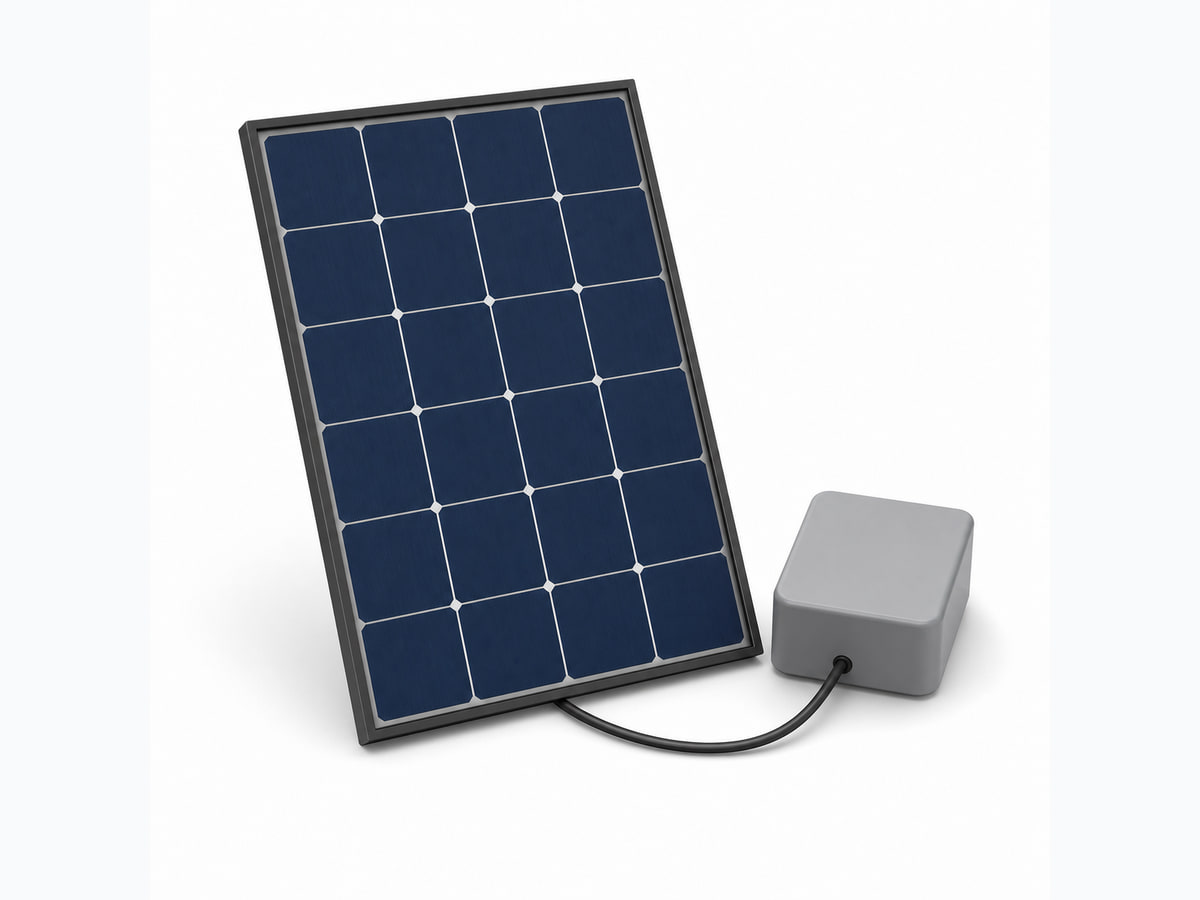
Related equipment
Representative product-family images. Confirm interfaces and accessories for the ordered model.
Send the solar sites.
Common questions
How many no-sun days should the battery cover?
Agree the service requirement and local poor-weather conditions. Use measured consumption from the final station, then apply the battery’s usable limits and appropriate design margins.
Can a later sensor change affect the solar supply?
Yes. Extra excitation, heaters, cleaning or a different radio cycle can change consumption. Recheck the load and charging calculation when the equipment or schedule changes.
How do you size solar telemetry for a tank that is visited every two weeks?
Calculate the logger, sensor and radio loads for the measurement and reporting intervals. Then check maintenance visits, seasonal sunlight and shading to select the battery and solar supply.