Design example: a solar tank station visited every two weeks
A two-week service interval defines access planning. The energy reserve still depends on the agreed no-charge period and the measured station load.
Separate the service interval from the power reserve
| Choice | What to compare | What to check |
|---|---|---|
| Site visit every two weeks | Access, cleaning, cable and mounting checks | A visit interval alone does not specify battery capacity |
| Periods without charging | Required operation through poor sunlight | Calculate usable reserve from measured daily energy |
| Level reading | Tank geometry, sensor fit and original observation time | Agree the reference and low/high-level meaning |
| Lost connection | Missing-data indication and supported recovery | Check the selected logger and platform together |
Useful for this connection
Size station power
Keep energy use, charging and usable reserve in the calculation.
Select a tank measurement path
Compare the existing level-sensor choices and installation conditions.
Equipment options for this application
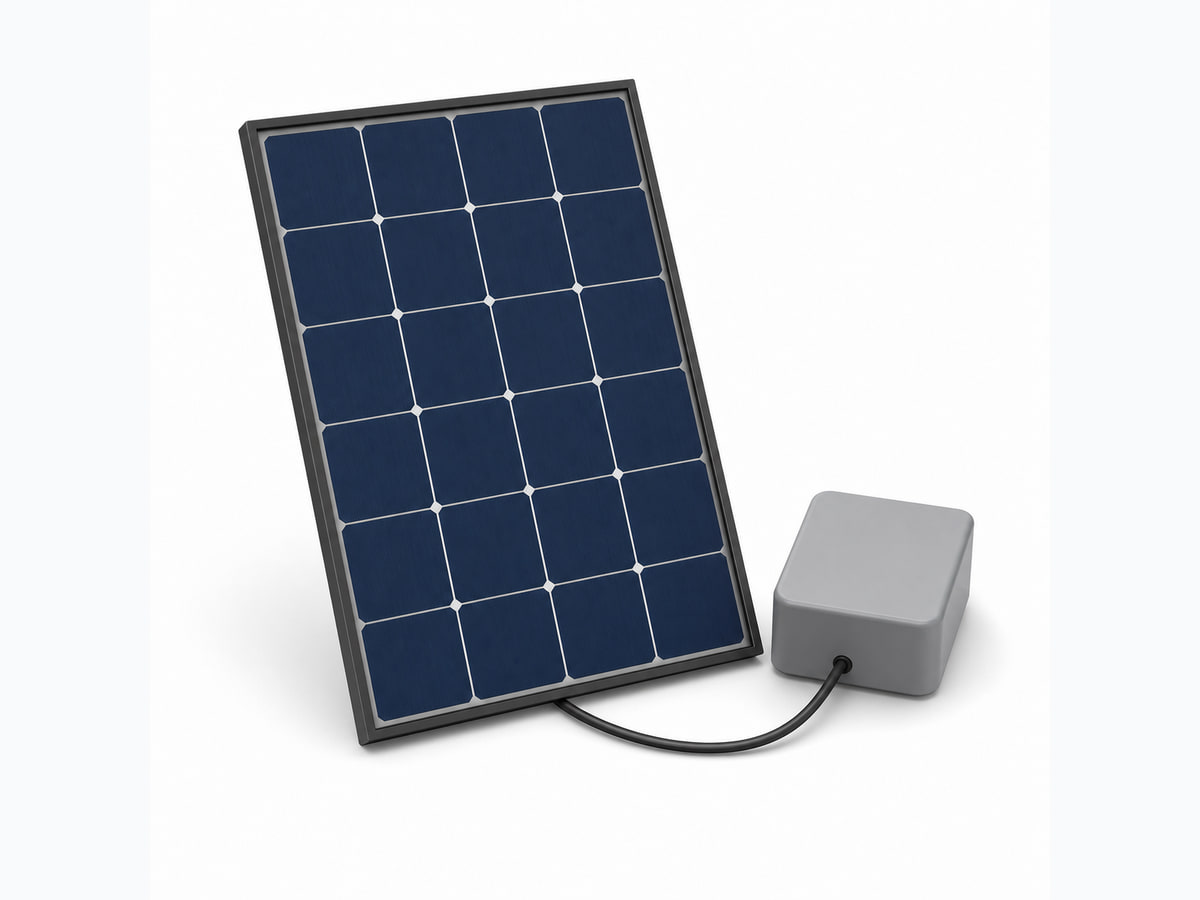
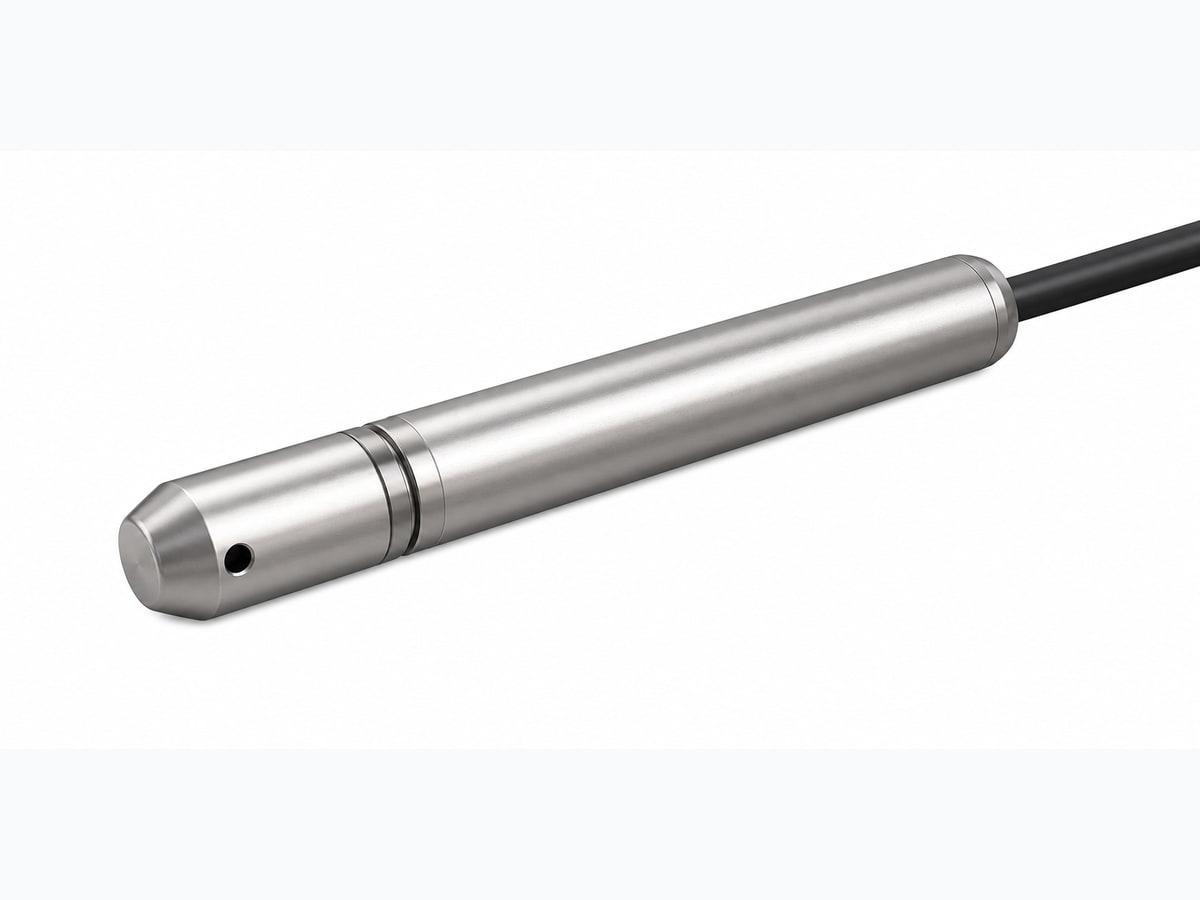
Representative product-family photos. View specifications on sungeneiot.com; the quotation identifies the selected model.

What to send
- Visit interval and what must still be known in between.
- Tank height and a photo if you have one.
- Whether any solar or battery hardware is already on site.
Send the visit interval.
Common questions
Can we use a powered-site RTU here?
Confirm the RTU supply voltage and total station load. A battery or solar supply must support the chosen sensor and transmission schedule; compare powered-site options if an existing cabinet supply is available.