Maintain irrigation monitoring across remote water points
Plan who services each tank, well or offtake and who responds when water or station data is missing.
Assign the work around the water point
| Choice | What to compare | What to check |
|---|---|---|
| Operator | Required water information and response to a warning | Record who checks a low-water or stopped-pump indication |
| Site service team | Probe access, cleaning and battery or solar maintenance | Keep the route and service record with the station |
| Data owner | Point names, units and stale-reading rules | Agree receiving accounts, record access and exports |
Useful for this connection
Agree an operational handover
Check accounts, replacement and exports before completing a project.
Equipment for these sites
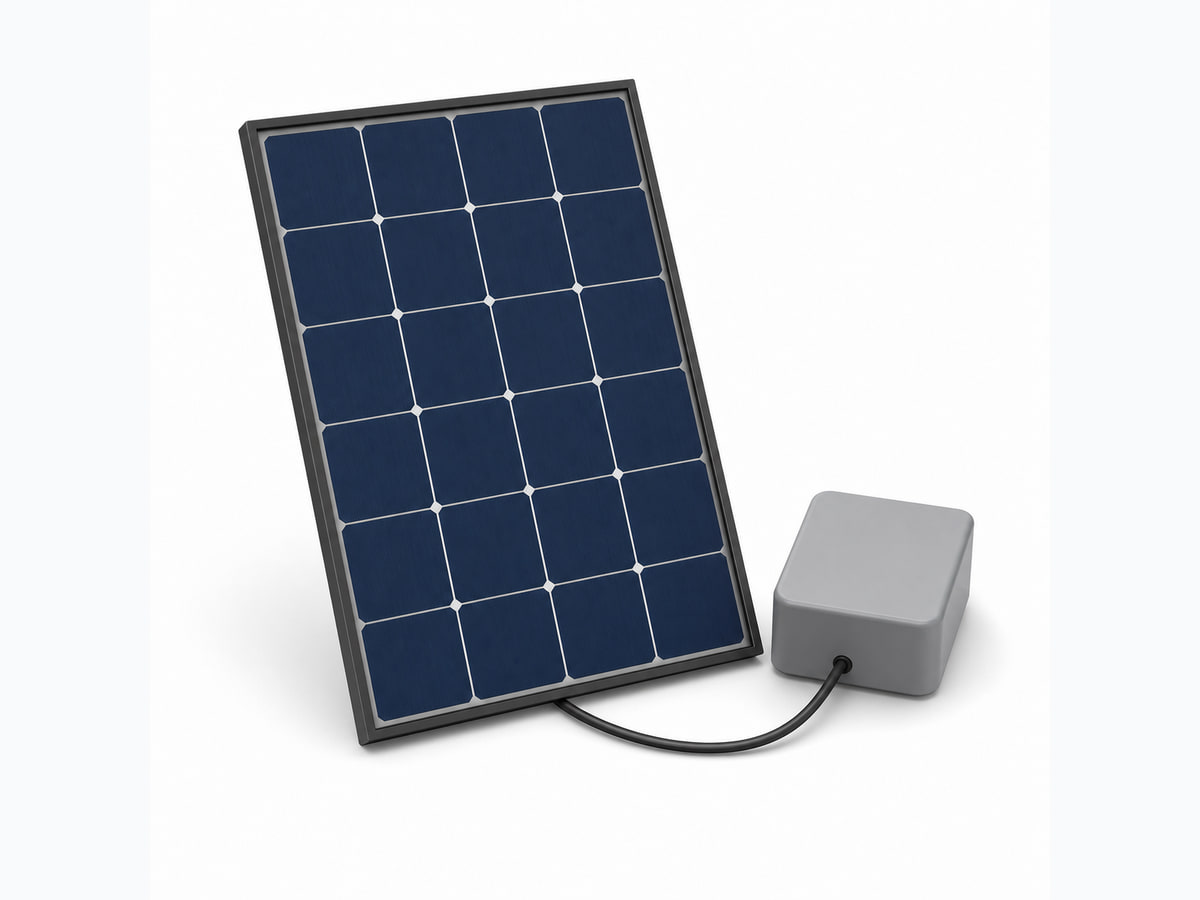
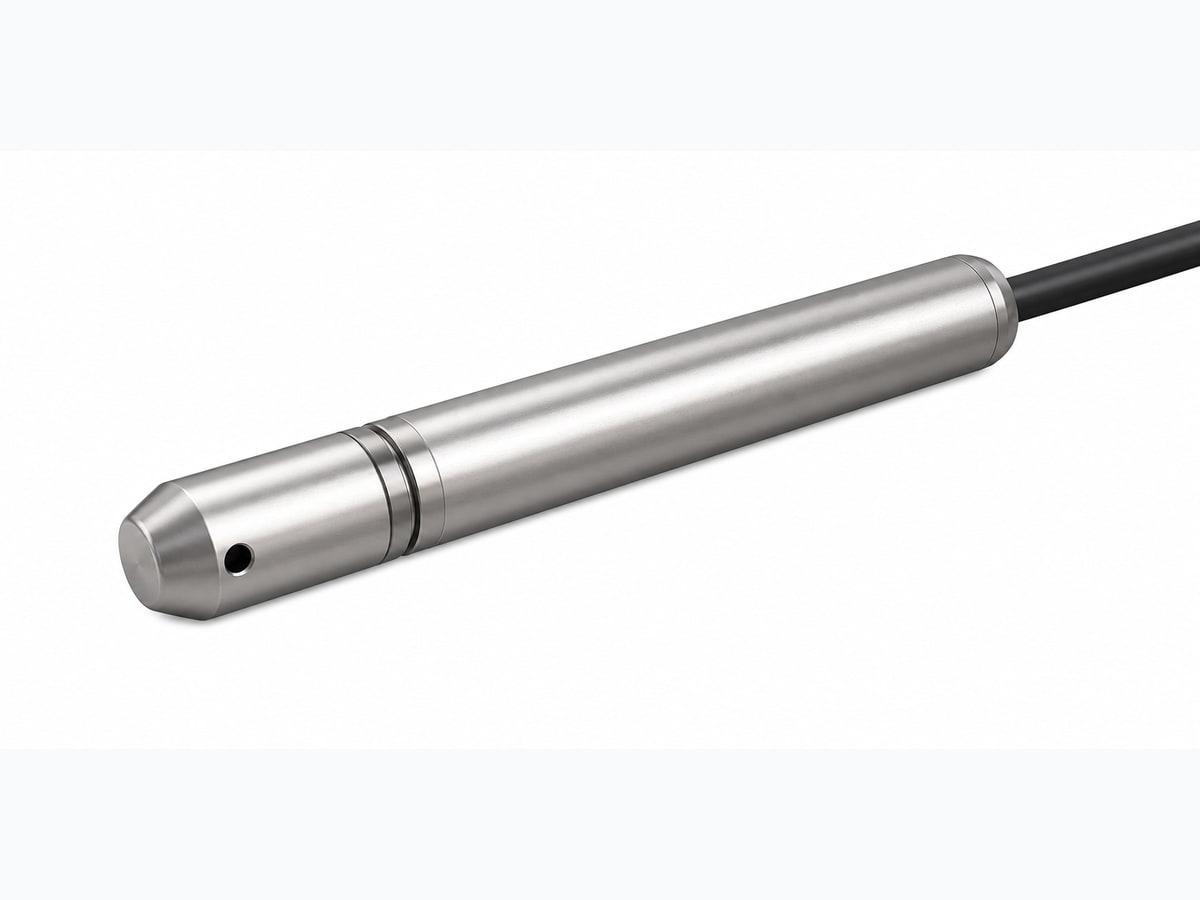
Representative product-family photos. View specifications on sungeneiot.com; the quotation identifies the selected model.
Related field scenarios
Solar tank
A two-week service interval defines access planning. The energy reserve still depends on the agreed no-charge period and the measured station load.
Battery well
Compare the level probe, recording cycle and power reserve for a well that cannot rely on a powered cabinet.
Off-grid irrigation
Choose level, flow or pump-status information around the water point and the time between maintenance visits.
Technical references
Check the official protocol and radio specifications alongside the selected model’s documents and applicable certificates.
Send the visit interval.
Common questions
How do you size solar telemetry for irrigation tanks?
Confirm the measurements, reporting and maintenance intervals, sensor and radio loads, shading and enclosure temperature. Use these values to compare battery and solar configurations.